
Easy Lunchbox Wins for Busy Families
Packing school lunches every day can feel like a never-ending task—especially when lunchboxes return home with food still inside. The good news is that a successful lunchbox does not need to be elaborate or picture-perfect.
A few familiar foods, simple choices and small amounts of variety can make lunchtime easier for both children and families.
Keep it simple and familiar
School is not always the best place to introduce completely new foods. Children may be busy talking, playing or managing a limited lunch break, so familiar options are often easier to eat.
Try building the lunchbox around foods your child already enjoys, then add a little variety over time.
Use an easy lunchbox formula
Instead of creating a different lunch every day, use a flexible formula:
A main food: sandwich, wrap, roll, pasta, rice, crackers or leftovers
Fruit or vegetables: fresh fruit, berries, cucumber, carrot, capsicum or cherry tomatoes
A filling extra: yoghurt, cheese, egg, hummus or another suitable protein-rich option
A small enjoyable item: homemade slice, popcorn, crackers or another family favourite
Water: to help children stay hydrated throughout the day
Always follow your school’s allergy-aware food guidelines and choose foods suitable for your child’s individual needs.
Involve children in the choices
Children may be more interested in eating food they have helped select or prepare. You could offer two simple choices:
“Would you like a sandwich or a wrap?”
“Would you prefer apple or strawberries?”
Older children can help prepare snacks, portion food or pack part of their own lunchbox. This builds independence while reducing some of the daily pressure on parents and carers.
Make food easy to eat
Sometimes food comes home because it was difficult to open, messy to manage or took too long to eat.
Simple changes can help:
cut fruit, sandwiches or wraps into manageable pieces
use containers your child can open independently
peel or partially peel fruit when appropriate
keep portions realistic
use an insulated lunch bag and ice brick for foods that need to stay cool
Before using a new container, ask your child to practise opening it at home.
Create variety without extra work
Variety does not mean reinventing the entire lunchbox. Change just one element at a time—such as the fruit, sandwich filling or snack.
You could also keep a short list of reliable options on the fridge. When mornings are busy, choose one item from each category rather than trying to think of new ideas.
Preparing fruit, vegetables or snacks in advance can also make packing easier during the week.
Notice what works
If food regularly comes home, ask your child why. They may not like the texture after several hours, have difficulty opening the container or simply need a smaller portion.
Keep the conversation relaxed and practical. A returned lunchbox is helpful information—not a failure.
Celebrate the small wins
An easy lunchbox win might be finding one new filling your child enjoys, helping them open their containers independently or simply making the morning routine a little calmer.
This week, invite your child to choose one lunchbox favourite and one small addition they would like to try. The best lunchbox is not the fanciest one—it is the one that works for your child and your family.
Easy recipe: Banana and Oat Mini Muffins
These simple mini muffins are easy to prepare, freezer-friendly and sized for little hands.
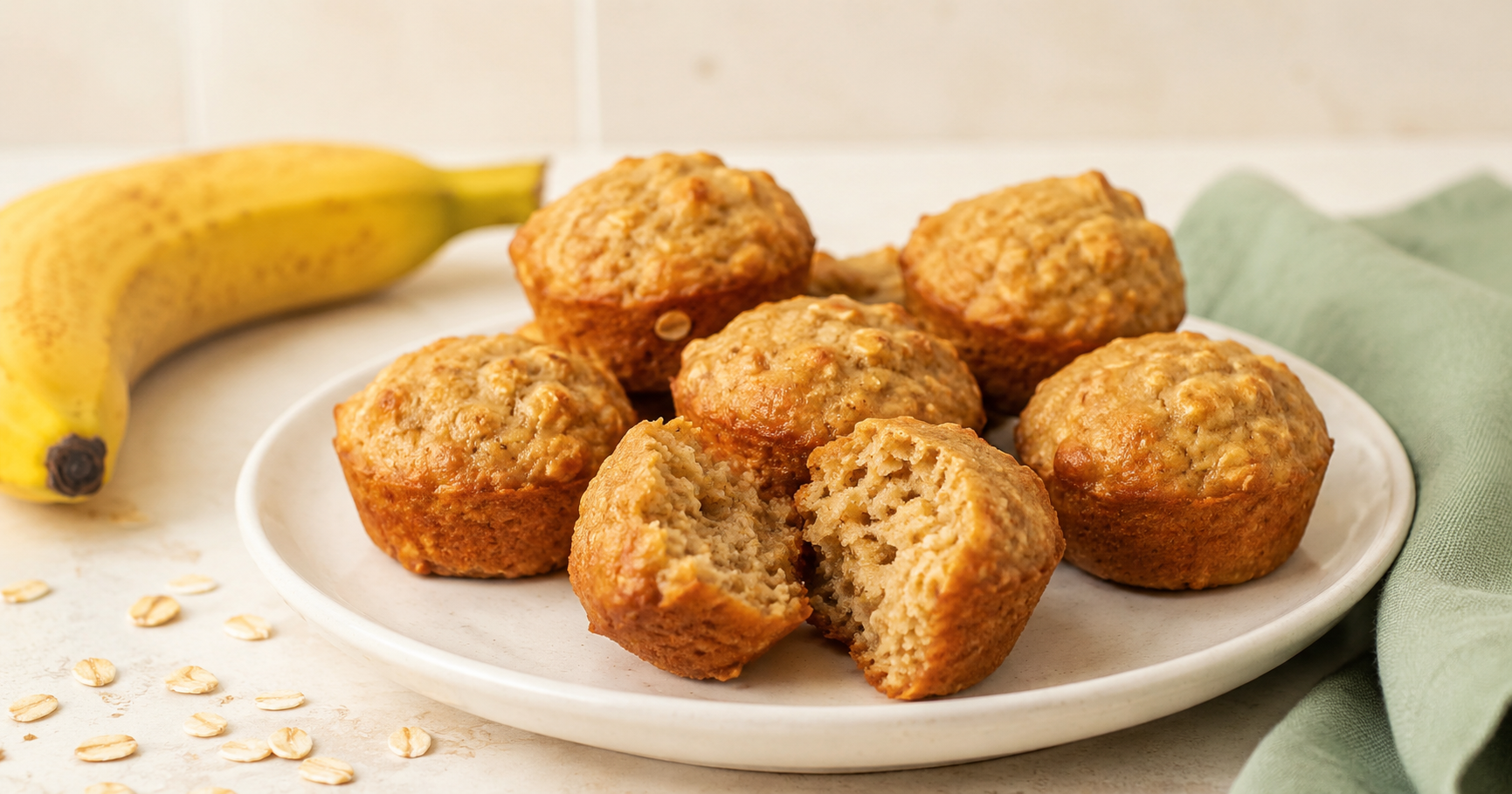
Homemade Banana Oat Mini Muffins
Ingredients
2 ripe bananas
1 egg
1 cup rolled oats
½ cup self-raising flour
¼ cup milk
½ teaspoon ground cinnamon
A small handful of blueberries or finely diced apple (optional)
Method
Preheat the oven to 180°C, or 160°C fan-forced. Lightly grease a mini muffin tray or line it with paper cases.
Mash the bananas in a large bowl.
Add the egg and milk, then stir until combined.
Mix in the rolled oats, self-raising flour and cinnamon.
Gently fold through the blueberries or apple, if using.
Spoon the mixture evenly into the mini muffin tray.
Bake for approximately 12–15 minutes, or until the muffins are lightly golden and a skewer comes out clean.
Allow them to cool completely before adding them to the lunchbox.
Store the muffins in an airtight container or freeze individual portions for busy mornings.
Lunchbox tip: Always check your school’s allergy-aware food guidelines and adapt recipes to suit your child’s dietary requirements.